Skip to content
Test your brand's health

Articles

What British Beauty Consumers Really Value in 2025

As part of The Red Tree’s commitment to understanding the evolving beauty landscape, we analysed responses from more than 1,000 British beauty consumers. Women accounted for 89% of the sample, with respondents spanning all major age groups and a broad mix of employment statuses, income levels and lifestyle interests. The dataset offers a detailed view of current behaviours and challenges several assumptions about how consumers discover, choose and engage with beauty in the UK today.

Efficacy Is the Primary Driver of Choice

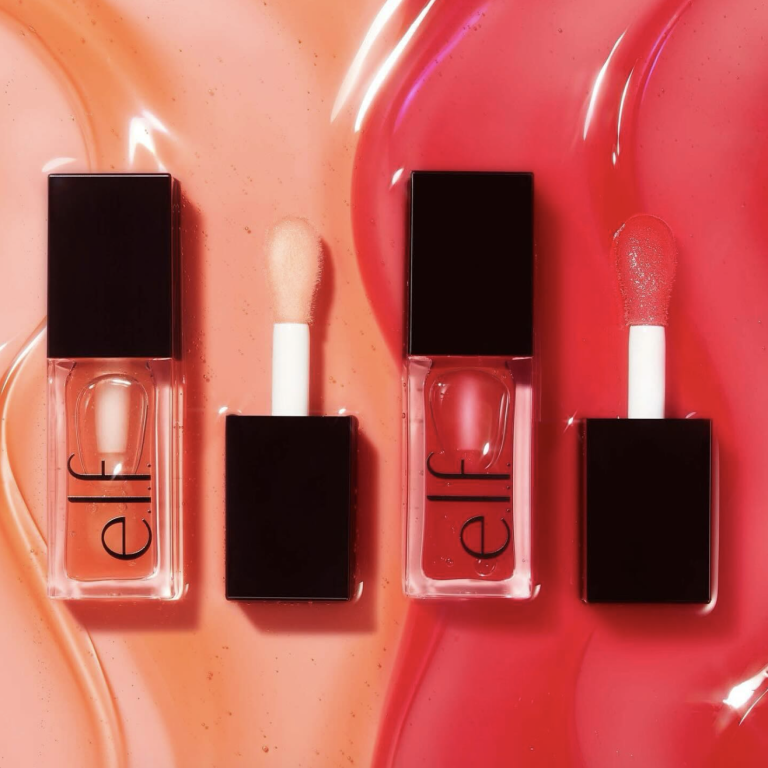
Product aesthetics and social visibility rank among the strongest initial drivers, emphasising the continued role of design and desirability. However, efficacy ultimately determines conversion. “Efficacious” scores above price, fragrance and texture in the overall product priority scale, indicating that while aesthetics attract attention, performance secures commitment. Brands that rely solely on aesthetic differentiation risk being deprioritised at the point of decision.

This is even clearer in skincare. Across demographics, the leading decision factors are whether a product addresses specific concerns, whether it is suitable for sensitive skin and whether its claims are clinically tested.

Sensitive skin appears consistently across age groups, underscoring a widespread need for high performance formulations that minimise irritation.

The data reveals a dual expectation. Consumers want products that look good and perform well, challenging the assumption that the market has shifted decisively away from aesthetics toward functionality alone. Instead, British consumers increasingly expect both. Brands must therefore substantiate claims and communicate efficacy transparently while ensuring products remain visually compelling.

Beauty and Wellbeing Are Interlinked Priorities

Sleep, mental health and stress reduction emerge as the three most important wellbeing priorities and are consistent across age and gender. This indicates that wellbeing is not an emerging or youth driven trend but a structural behavioural driver influencing how consumers approach beauty.

Consumers who identify wellness or sustainability as personal interests place even greater emphasis on emotional and physiological balance. These groups represent a highly engaged audience for categories that offer sensorial comfort, ritual and routine building.

The expectation that beauty should contribute to emotional ease as well as visible results has become mainstream. Brands that integrate soothing textures, calming actives and messaging rooted in self-care rather than transformation will resonate more strongly with how consumers use beauty to navigate daily life.

Fragrance Preferences Reflect Identity and Demographics

Fragrance behaviour reveals some of the most distinct demographic patterns in the dataset. Across the total sample, Fresh, Fruity and Floral fragrances dominate. However, gender splits remain pronounced. Women show strong preference for Floral and Rose profiles and consistently engage with Fruity notes. Men favour Fresh, Woody and Aromatic families and demonstrate much lower interest in Floral or Gourmand categories.

Age segmentation adds further nuance. Younger consumers prefer fruity and bright signatures, while older groups gravitate towards woody and aromatic structures. Gen Z’s strong preference for fruity signatures represents a meaningful divergence from legacy fragrance houses that still anchor around fresh and floral. This shift reflects how fragrance choices evolve with identity and life stage, challenging the assumption that “fresh” universally leads across demographics.

These patterns highlight the importance of demographic storytelling and precise range architecture. Brands that align fragrance development with sensorial codes across age and gender will differentiate more effectively in a saturated category defined by emotional expression.

Discovery and Purchase Still Happen on the High Street

Despite increasing investment in digital retail and social commerce, beauty discovery in the UK remains firmly anchored in the High Street. Boots and Superdrug are the dominant discovery channels across demographics. Major grocers form the second tier, indicating that beauty exploration often happens in familiar, routine environments.

Amazon is widely used for replenishment but does not surpass physical retail for discovery. Specialist retailers such as Space NK and Sephora attract engaged shoppers, but their reach remains comparatively narrow. The emphasis on in-store discovery suggests that TikTok and Instagram awareness rarely convert without physical stock visibility. This contradicts the assumption that digital channels are overtaking physical retail in the UK. Instead, discovery continues to be driven by convenience, proximity and habit. Brands must therefore maintain strong visibility across mainstream physical retailers while using digital channels to support, rather than replace, high street presence.

Consumers Are Values Driven Yet Pragmatic

Awareness of vegan certification is high, but most respondents place it in the mid range of importance. This signals a pragmatic approach to responsible consumption. Ethical considerations matter, but they do not independently drive purchasing behaviour.

This contrasts sharply with the decisive importance of efficacy and compatibility with sensitive skin. Consumers value responsible practice but remain sceptical of overstated sustainability claims, indicating fatigue with superficial green messaging.

Sustainability enhances a brand’s credibility when paired with strong performance. It must therefore be communicated through transparency and demonstrable impact rather than emotional or moral positioning.

Spending Behaviour Highlights Prime Segments

Full time employees are the highest spenders at £74.6 per month, followed by part time and self-employed consumers. Students sit mid-range at £41.4, outspending several nonworking adult groups despite significantly lower income. This highlights that beauty participation is culturally rather than purely economically driven.

Strategic Implications for Brands

The patterns in this dataset reveal a market that is visually driven but performance led. Brands must communicate clinical credibility while recognising the continued influence of aesthetics in attracting attention. Beauty’s increasing integration with wellbeing requires textures, routines and messages that support emotional ease, not only functional change. Fragrance development should follow demographic patterns, using age and gender insights to design relevant olfactory profiles. Distribution strategies must prioritise visibility across the High Street, where discovery and purchase remain concentrated. Finally, sustainability should be framed as responsible practice rather than a brand narrative. British consumers reward integrity and clarity but will not compromise on efficacy. Brands that balance proven performance, emotional resonance and transparent purpose will be best positioned to succeed in 2025.

Our Series

Read More